Get Your Hands Dirty (Why We Need to Feel Nature Again) - Ray's Story
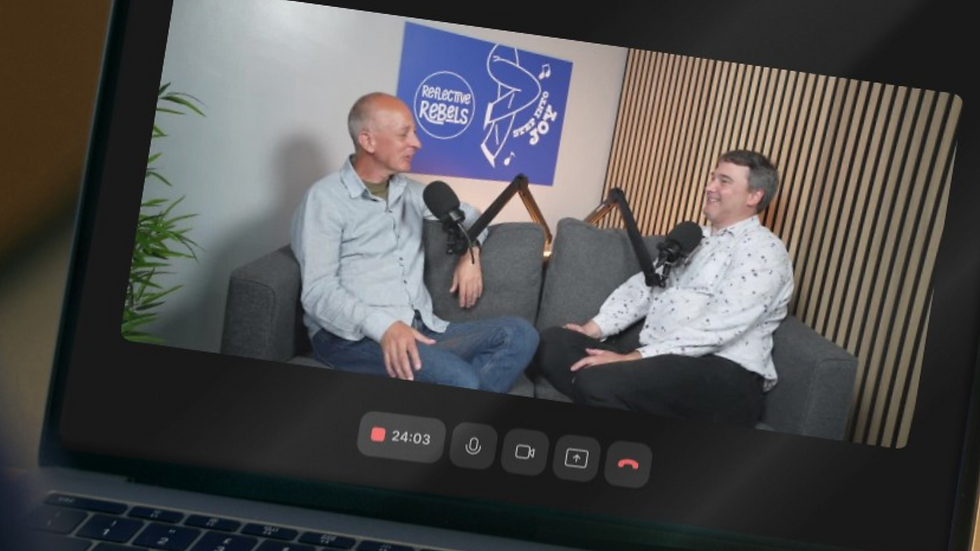
Reflective Rebels Podcast: We're done pretending. Season 1, Episode 5
Ever felt too comfortable? Too insulated from real experiences? Ray's story is for anyone who's said "maybe later" to opportunities that scared them - and wondered what they missed.

We live in a world designed to keep us comfortable. Climate-controlled offices, sanitised experiences, risk-free routines. But what if that very comfort is what's making us miserable?
Ray Cassidy's story begins with a 13-year-old holding a picture of a Welsh mountain, asking his Irish father if they could climb it. "Stupid boy," came the reply. But that picture lodged somewhere deep, waiting for the right moment to surface.
That moment came years later, after Ray's parka was set on fire at a football match (yes, really), when someone at a carnival casually asked: "Do you want to come climbing?"
"Yeah, all right."
Two words that changed everything.
Stop Waiting for the Perfect Plan
Ray went from holding that mountain picture to climbing in Peru, but there was never a master plan. No carefully mapped climbing career, no five-year strategy. Just a willingness to say yes to the next thing that felt compelling.
"Do you want to come climbing?" led to hypothermia on his second weekend out. Most people would have called it quits. Ray went back for more. The outdoor education course he stumbled across in a magazine turned him into a teacher. A random suggestion about Peru became the adventure of a lifetime.
We're obsessed with having everything figured out before we start. Ray's story suggests something different: sometimes trusting what calls to you works better than endless planning. That pull you feel toward something you can't quite explain? It might be more trustworthy than your spreadsheets.
Your Body Knows Before Your Brain Does

Ray describes his first proper day in the Welsh hills with startling clarity: "The bones of the earth sticking out... the clouds coming up at me." This wasn't intellectual appreciation - this was visceral recognition, something felt in his body before his mind could make sense of it.
"You know when something grabs you," he says. "When something kind of gets hold of you."
In our head-heavy world, we've learned to dismiss these physical responses as unreliable. But what if they're actually more accurate than our overthinking? Ray trusted what grabbed him physically, despite it making no logical sense, and built an extraordinary life around it.
Your body might be trying to tell you something your brain isn't ready to hear yet.
The Humble Ones Change Everything
Here's what strikes me most about Ray's story: he genuinely doesn't think he's extraordinary. He calls himself "far too wimpy" while describing surviving at 19,000 feet in Peru. He insists his response to violent attackers wasn't brave:
"I just didn't know what to do. I couldn't just let them lay into him."
This humility isn't false modesty - it's genuine bewilderment at being seen as heroic. And perhaps that's exactly what makes the difference. The people who change others' lives are often too busy doing the work to notice how extraordinary they are.
Ray lights up when talking about the quiet student who found her voice outdoors, about watching his own children discover their talents. The real satisfaction isn't in his own achievements - it's in watching others find their courage.
If you're waiting to feel qualified before you help someone, you're missing the point. Often the humble ones are the ones who actually shape other people's lives.
Let People Get Messy
Ray spent years taking kids outdoors, watching them experience the "fell side splat" - deliberately getting waist-deep in mud and discovering they could survive being dirty, wet, and uncomfortable.
"A lot of them just didn't do outdoor stuff," he reflects. "They didn't get their hands dirty. But they got out there and they just messed about and they just cut loose like kids should."
We've become expert at protecting people - our children, our employees, ourselves - from any discomfort. But Ray's experience suggests we might be protecting them from essential experiences. Sometimes the best thing you can do for someone is stop shielding them from getting their hands dirty.
What would happen if you stopped managing everyone's comfort and let them discover what they're actually capable of?
Keep Going When You're Broken
The most honest part of Ray's story comes when he describes the aftermath of the school attack. He became "wobbly," wound up, quick to anger. The trauma lived in his body for years, affecting how he taught, how he related to students.
Ray doesn't present this as a success story of overcoming adversity. He's matter-of-fact about being damaged by the experience. But here's the thing: he never stopped. Never stopped climbing, never stopped teaching, never stopped living.
You don't have to be fixed to keep moving forward. Ray was broken in some ways for years, but he kept going anyway. Sometimes that's all healing looks like - not bouncing back to who you were before, but figuring out how to keep going with what happened to you.
Get Comfortable Being Uncomfortable
Ray's final message cuts through all our modern comfort-seeking:
"Get away from all this comfort and material bollocks. You've just got to get out there and feel a bit of nature."
This isn't romanticism about the outdoors. It's recognition that something essential gets lost when we become too insulated from difficulty.
"So many people are so insulated from the wind, the rain... they don't see it and it's so important for your head."
We've made life so sanitised that we're missing what actually matters. The hummingbird moth that whizzes by, the physical sensation of weather, the satisfaction of solving problems with your hands rather than your phone.
Getting your hands dirty isn't just about literal dirt. It's about choosing experiences that might be uncomfortable because they're real.
If This Resonates...
Ray's story raises uncomfortable questions about how we're living. When did we stop saying yes to random invitations? When did getting uncomfortable become something to avoid rather than embrace? What essential experiences are we missing by staying too safe, too comfortable, too insulated?
If you're feeling that pull toward something you can't quite explain, if you recognise that feeling of being too protected from real experiences, Ray's story suggests you might want to listen to it.
Not because adventure is inherently good, but because following what "grabs you" - even when it leads somewhere uncomfortable - might be essential for staying fully alive.
Your comfort zone might be the very thing that's keeping you from the life you actually want to live.
Ready to get your hands dirty? Join the email community at reflectiverebels.co.uk/newsletter for honest insights about getting unstuck and first access to gatherings where you can connect with other people who are done pretending everything's fine.
And if you're at that point where you need more than inspiration - if you're ready to make changes that feel scary but right - drop me a message about coaching. Because sometimes we need support to say yes to the things that matter.


Comments